

A floor scrubber’s work does not end when the last aisle is clean. What happens after each shift helps determine whether the machine is ready for the next operator.
For warehouses, factories, and commercial facilities, a consistent maintenance routine can help prevent avoidable interruptions. Dirty squeegee blades, worn pads, or a recovery tank left uncleaned can affect results even when the machine itself is otherwise working normally.
The following checklist covers routine operator care. Always follow the instructions for your specific machine, battery, and charger. Before inspecting or removing components, park safely, switch the machine off, and follow the manual’s shutdown procedure.
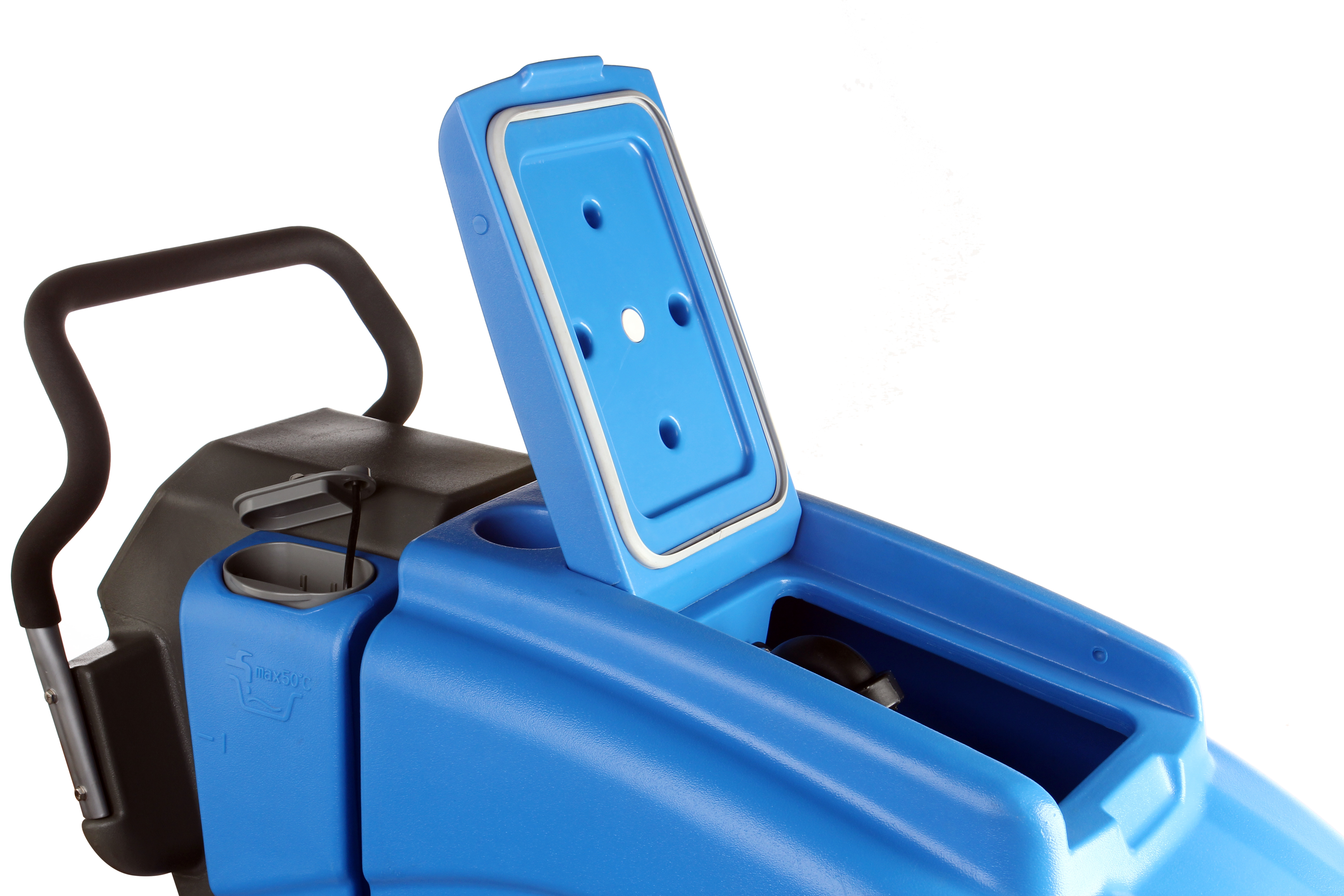
1. Empty and Rinse the Recovery Tank
The recovery tank collects dirty water during cleaning. Empty it at the designated wastewater disposal point after use, then rinse away accumulated dirt.
Where fitted, clean the removable debris basket and float screen according to the operator manual. Check that the drain hose cap and tank lid are correctly secured before the next cleaning session.
Keeping this area clean also makes it easier to notice debris buildup or damaged seals during routine checks.
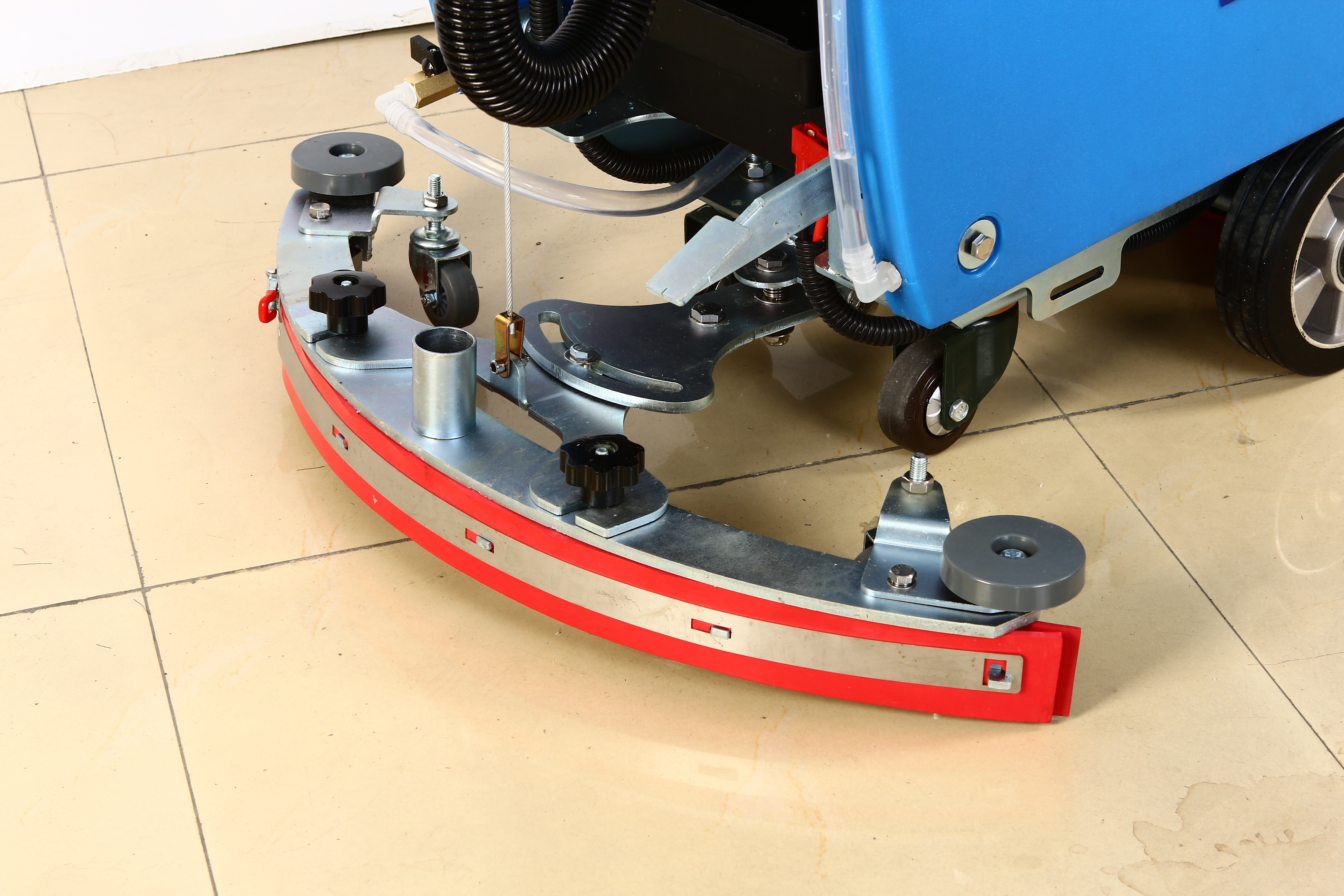
2. Clean and Inspect the Squeegee Blades
The squeegee helps collect water from the floor, so its condition deserves attention after each shift.
Wipe the blades and remove trapped dirt, hair, or small debris. Inspect the edges for cuts, uneven wear, or deformation. Rotate or replace blades only as permitted by the machine’s instructions.
If the machine starts leaving water trails, record the problem rather than repeatedly driving over the same area. A dirty or worn blade is one possible cause, but the recovery system may also need inspection.
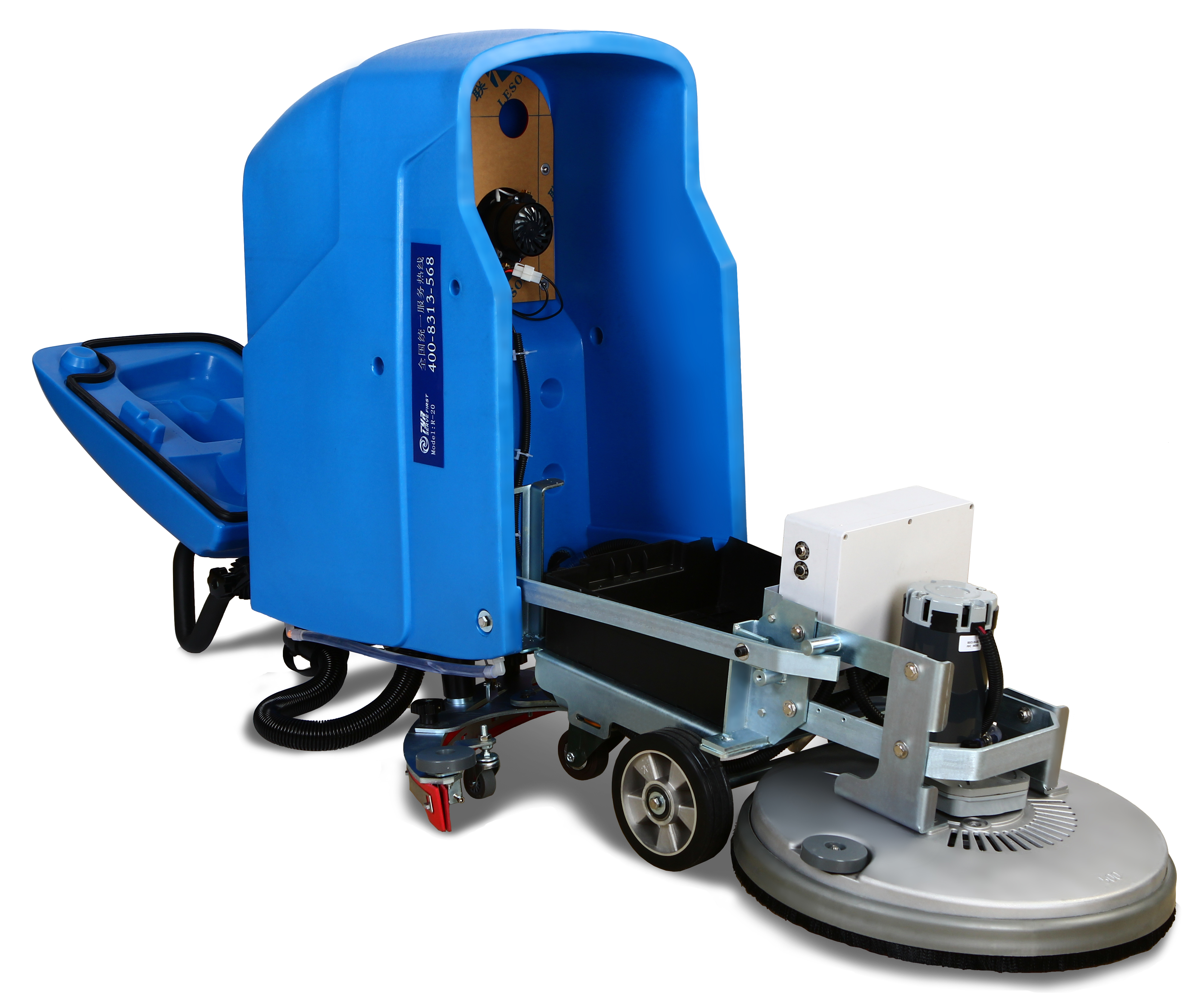
3. Check the Brush or Cleaning Pad
Inspect the brush or pad for wear and trapped material. Remove and clean these components using the procedure specified for the machine.
A pad with embedded debris or a damaged brush should not simply be returned to service. Check that the attachment is suitable for the floor and securely fitted before the next use.
Replacement decisions should follow the manufacturer’s wear limits and the condition of the component, rather than an arbitrary calendar date.
4. Use the Correct Cleaning Solution
Check the solution tank and follow the manual’s instructions for draining and rinsing it.
Use a detergent approved for the machine and compatible with the flooring. Follow the recommended dilution: adding more detergent does not automatically improve cleaning.
For machines requiring low-foam detergent, using an unsuitable product can create excessive foam and interfere with normal operation. Keep the approved product and dilution instructions clearly available to operators.
5. Follow the Battery’s Charging Instructions
Battery care depends on the installed battery type and charger. Avoid applying one charging routine to every machine in the facility.
Use the approved charger and follow the specified charging and storage instructions. Do not assume that different battery technologies have the same maintenance requirements.
If runtime becomes noticeably shorter, report the change with details of the cleaning task and charging history. This gives the service team more useful information than simply reporting that the battery “does not last.”
6. Leave a Clear Handover for the Next Operator
A simple record can make daily care easier to manage, especially when several employees share a machine.
Record:
- The machine identification and date.
- Whether the tank, squeegee, and brush or pad were cleaned.
- Any leaks, unusual noise, water trails, or warning messages.
- Parts requiring inspection or replacement.
Assign responsibility for reviewing reported problems. A checklist is most useful when issues lead to action before the next shift.
Consider Maintenance Access When Choosing a Floor Scrubber
Daily care should also be part of the purchasing decision. Ask how the recovery tank is cleaned, how consumables are replaced, and which maintenance tasks operators can perform themselves.
TYR offers floor scrubbers for different cleaning environments. When discussing your requirements, share your floor type, cleaning area, available working time, and maintenance arrangements. These details help make equipment discussions more practical.
For broader purchasing considerations, read our Industrial Floor Scrubber Selection Guide.
Post time: Oct-30-2026